Big Bullies

“Look into your own heart, discover what it is that gives you pain and then refuse, under any circumstance whatsoever, to inflict that pain on anybody else.” (Karen Armstrong)

Port Ludlow WaterfallEven the best of us can have a bad day and act or speak unkindly.  I’ll bet even Mother Teresa had her snarky moments.  But consistent, repeated, and unrepentant unkindness is more than a slip or a slide.  It’s often the sign of a bully.

In general, people who chronically act unkindly do so out of a terribly misplaced sense of entitlement, or uncontrolled anger, or—as often as not—out of fear.  They may feel threatened, or they may be afraid of rejection or embarrassment, or of appearing weak or stupid.

Many, many years ago I worked with an angry man who boasted quite openly that his philosophy of life was what he called “I.O.” It stood for “instant offense.” In any interaction, this gentleman wanted to have the upper-hand, so he immediately sought ways to put the person he was interacting with on the defensive.

He was a large man, a former ball player, and he knew his size could intimidate. But if that wasn’t enough, he’d ask questions to put someone on the spot, or he’d dismiss their words with a derisive comment and a roll of his eyes. He knew how to look a person up and down and convey to them that he found them lacking. I didn’t realize it at the time, but he was simply a bully. All these years later, I find myself wondering what he was afraid of. Did he fear that someone would see through his façade and recognize the insecure man inside? Had he not lived up to expectations—his own or someone else’s—and decided to cover up his disappointment by attacking others before they could recognize what he knew? Perhaps he had been hurt deeply and decided he could avoid a repeat of that experience by inflicting hurt first. Maybe he had been taught that this is how “real men” behave.

I avoided him whenever possible and fortunately didn’t have many occasions to interact with him in the company we worked for.  It would be interesting to encounter him today and see if the passage of time—more than three decades—has mellowed him.  I’d like to understand what was behind his unkindness; I’d like to see the likable qualities in him.  Maybe, after all, he’s just a pussy-cat at heart.  And maybe there are no calories in Ben & Jerry’s peach ice cream.

Adult Bullies

According to the website www.bullyingstatistics.org, “Adult bullies were often either bullies as children, or bullied as children.” The site further describes the typical adult bullies:

  1. Narcissistic Adult Bully: This type of adult bully is self-centered and does not share empathy with others. Additionally, they feel little anxiety about consequences. They seem to feel good about themselves, but in reality have a brittle narcissism that requires putting others down. [It’s probably unkind of me to say this, but doesn’t this describe Donald Trump to a tee?]
  2. Impulsive Adult Bully: Adult bullies in this category are more spontaneous and plan their bullying out less. Even if consequences are likely, this adult bully has a hard time restraining his or her behavior. In some cases, this type of bullying may be unintentional, resulting from periods of stress.
  3. Physical Bully: While adult bullying rarely turns to physical confrontation, there are, nonetheless, bullies who use physicality. In some cases, the adult bully may not actually physically harm the victim, but may use a looming threat of harm, or physical domination. Additionally, a physical bully may damage or steal a victim’s property, rather than physically confronting the victim.
  4. Verbal Adult Bully: Words can be quite damaging. Adult bullies who use this type of tactic may start rumors about the victim, or use sarcastic or demeaning language to dominate or humiliate another person. [Trump again?]
  5. Secondary Adult Bully: This is someone who does not initiate the bullying, but joins in so that he or she does not actually become a victim down the road. Secondary bullies may feel bad about what they are doing, but are more concerned about protecting themselves.

The website contends that there is little one can do about an adult bully, “because adult bullies are often in a set pattern. They are not interested in working things out and they are not interested in compromise. Rather, adult bullies are more interested in power and domination. They want to feel as though they are important and preferred, and they accomplish this by bringing others down.”

I’m not willing to concede that easily. I think there must be ways to stand up to bullies and let them know their behavior is not acceptable, and to do it without resorting to their own tactics of threatening or berating—which only shows them the power of bullying. Trying to shame a bully by embarrassing or berating them will probably have the effect of increasing their bullying tendencies. Like my office colleague from so many years ago, they will go into “instant offense” mode and strike wherever they see a likely target.

I don’t think kindness would have been an effective deterrent to that colleague’s bullying. He would probably have equated kindness with weakness and flexed his muscles all the more.

What might have been effective would have been for witnesses to let him know his behavior was unacceptable. Instead of remaining silent, colleagues and peers should have stepped in and calmly said, “Not cool, buddy.” Most bullies will back down—or at least back-off—if they see witnesses rallying to support the bully’s victim.

Perhaps the smartest thing to do when one is thrown into a situation with a bully is to get out. Don’t engage, don’t react in kind. Simply exit and avoid future interactions. But, of course, that’s not always possible. Sometimes the bullies in our lives are people we cannot avoid.

I keep thinking about the old adage that “the best revenge is a good life,” and that’s probably a good way to look at bullying in the long-term. But when one is actively being bullied or harassed, it does little good to think, “Hey, sport, in ten years I’ll have a great life and you’ll still be a colossal jerk.”

If we are not the bully’s target, but find ourselves in the position of witness or bystander, we need to step in and let the perpetrator know—in no uncertain terms—that such behavior is unacceptable. There is a place for kindness here, because if we can step in without expressing our anger or contempt, we can defuse the situation. Psychopaths and maniacs are to be seriously avoided, but your garden-variety bully might be tempered with judicious kindness.

Kindness requires action and it sometimes requires courage. When we witness bullying, we can’t ignore it and just be a bystander. Bullying is fostered by silence. We need to step in, speak up, and stand for what we know to be right.

Easier said than done, but kindness isn’t always easy … it is, though, always right.

It’s one thing to be an adult dealing with bullies—we have more options, more experience, more perspective, and more power—but children facing bullying can be devastated by it, and face lifelong consequences as a result. Let’s explore that next time. Please share your thoughts on bullying, at any age….

“Tenderness and kindness are not signs of weakness and despair, but manifestations of strength and resolution.” (Khalil Gibran)

 

At the Halfway Point…

“Kindness covers all of my political beliefs. No need to spell them out. I believe that if, at the end, according to our abilities, we have done something to make others a little happier, and something to make ourselves a little happier, that is about the best we can do. To make others less happy is a crime. To make ourselves unhappy is where all crime starts. We must try to contribute joy to the world. That is true no matter what our problems, our health, our circumstances. We must try. I didn’t always know this and am happy I lived long enough to find it out.” (Roger Ebert)

tightrope walkerI’ve reached the halfway point in my year of living kindly. As I did at the end of the first quarter, it’s time to pause for a self-assessment.

At the end of March I gave myself a report card, with an overall grade of C+. I generally felt I was on the right track, but maybe not making enough effort or stepping out of my comfort zone often enough. A few of my friends chastised me (but did so very kindly) for being hard on myself—in fact for being unkind to myself. My husband broke his silence and posted a rant, noting he had made no such commitment to kindness.

So, this time I’ll look for a less judgmental way to evaluate my progress toward living a kind life. Maybe some open-ended questions that don’t require arbitrary scoring and potential self-flagellation. This format appeals to my periodic dual persona, plus, after six months, I’ve finally realized that my blog has a delightful acronym.

YOLK: Have you noticed a difference in your life after making this year-long commitment to kindness?

Me: I have. I feel kinder inside. It may not be evident to anyone else, but I think I am kinder. I think about kindness a lot, and I actively look for it. I do believe it directs my attention in very positive ways.

YOLK: What have been your biggest ah-has?

Me: One of my biggest ah-has is how many ah-has there are, so this is not going to be a short answer. A huge ah-ha is the role of mindfulness in kindness. All I need to do is pay attention and I see that opportunities to extend kindness are everywhere. I think we often operate on automatic-pilot, oblivious to the people and circumstances around us, and the difference a word, a smile, or an act of kindness could make. I’ve come to see that the simple reminder to “pay attention” may be one of the universal secrets to a good life.

Somewhat related to this is the power of the pause. That’s huge. Instead of speaking or acting in instant response to a situation, taking the time to pause and think about what I want my response to activate—and why—has been very powerful. In the space of that brief pause, I might totally change my reaction, or perhaps decide not to respond at all. That pause has always guided me to a better place. I frequently reflect on the four questions Rotarians pause to ask:

  • Is it the truth?
  • Is it fair to all concerned?
  • Will it build goodwill and friendship?
  • Will it be beneficial to all concerned?

If the answer to any is no, choose silence. Who knew Rotarians were so wise?

Another ah-ha is how much kindness there is all around. My eyes and ears are more attuned to it, and I see it everywhere. Big kindness and little kindness. They’re ubiquitous. I’ve also become more aware than ever of just how tremendously kind my husband is—to friends, to neighbors, to strangers, even to me. I married good, Mom. Bill will probably take issue with this, because he has a cynical, skeptical scientist reputation to uphold, but it’s true.

The last big ah-ha is probably that when I see unkindness, it’s easier now to see what might be behind it—fear, embarrassment, insecurity, obliviousness—and to be a bit less judge-y.

YOLK: Where do you still have the most work to do?

Me: You may have noticed that I said a bit less judge-y. I’m still too quick to judge when I see someone do something unkind (often while behind the wheel—that particular location seems to bring out the worst in the best of us…especially in Seattle traffic). I need to do a better job of activating my curiosity so I can imagine a good reason why someone cuts another person off in traffic or blares their horn and offers a rude hand gesture. I need to be more adept at giving the benefit of the doubt.  Additionally, there are always more ways to express and extend kindness; I hope to find them in the next six months.

YOLK: Has anything surprised you?

Me: I am surprised daily, sometimes hourly, and am in a perpetual state of wonder, both over the kindnesses and the unkindnesses I see, hear, or read about. I’ve also been surprised by the whole business of blogging. Putting a commitment out there in a very public way is at times scary, daunting, and certainly counter to my generally private and introverted nature. Nonetheless, I love it and I’ve connected with some wise, smart, and delightful people as a result. It’s been a great lesson in risk-taking at a time when I was ready to inject some risk into my life. It’s also been a good lesson in making my self-imposed deadlines, as I’ve often related to the wonderful Douglas Adams quote: “I love deadlines. I love the whooshing noise they make as they go by.”

But getting back to kindness, perhaps the biggest surprise has also been the simplest. This commitment to kindness feels right—it is exactly what I should be doing and want to be doing at this exact moment in my life. How cool is that?

YOLK: Okay, because I know you better than you know yourself, I know you haven’t entirely given up on that letter grade method of appraisal. What say you?

Me: B-minus, but a tarnished silver star for good intentions….

“Wherever there is a human being, there is an opportunity for kindness.” (Seneca)


Bothered and Bewildered…

“Conquer the angry one by not getting angry; conquer the wicked by goodness; conquer the stingy by generosity, and the liar by speaking the truth.” (Gautama Buddha)

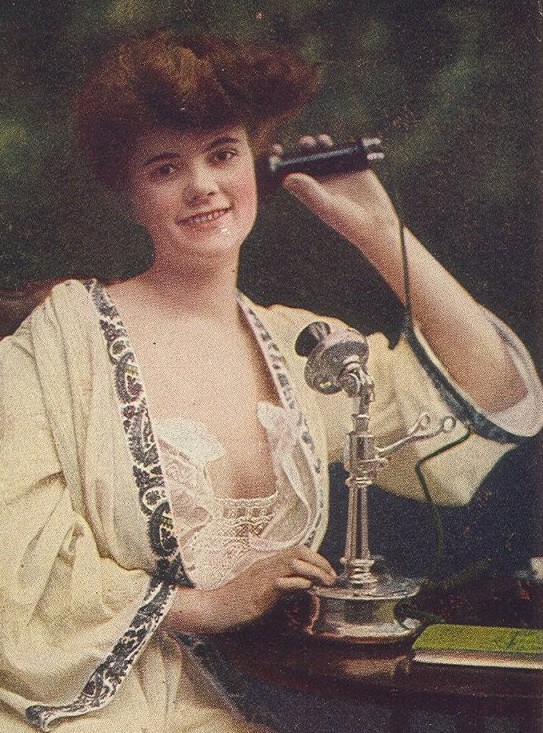
CandlestickTelephoneGal

It’s summer.  I should be thinking about when blueberries will be ready for picking, peach ice cream, or the perfect beach read.  Instead, I’m pondering the difference between malice and evil, and what tips the scales from being unkind or unpleasant to being cruel, immoral, or criminal. Does someone who does rotten things have a line they will not cross? At what point do they say, “This far and no further”? And where does hate fit into all of this? Clearly, this is not a week for sunny, summer chirpiness.

Sometimes, I find myself wondering if I am impossibly deluded to believe in the power of kindness. In my heart, I know I am not, but sometimes, you gotta wonder…

Proust said “Unkind people imagine themselves to be inflicting pain on someone equally unkind.” The more I think about that quote, the more profound it seems.

I am often mystified to read or hear about deliberate and premeditated unkindness. What motivates people to act that way, and what do they tell themselves to justify their behavior?

I know that people can often act unkindly out of reflex—a response to embarrassment, or a fear of rejection.  And sometimes it’s because they are oblivious to the situation or the other person’s feelings, or perhaps their action is governed by a sense of entitlement (I deserve this and you’d better not get in my way!).

But it doesn’t seem that those conditions fully explain calculated and intentional unkindness. I want to believe that kindness is stronger that unkindness, and that kindness will (eventually) counter meanness or cruelty. But then I answer the phone and again I wonder…

Not What Alexander Graham Bell Intended…

Over the past few weeks, I’ve received several telephone calls claiming to be from Microsoft’s Windows Service Center, saying that my computer has been hacked and they just need to ask me some questions and then they can help me fix the problem. I know these calls are scams; they want to get personal information and direct me to some site that will plant a virus on my computer. Bill says just to hang up. But a couple of times, I tried to engage the caller.

“Why are you doing this?”

“Ma’am, I’m calling to help you fix your computer problem.”

“You and I both know that’s not true. Why do you do this? Is this really who you want to be?” I try to ask kindly.

At this point, they hang up on me. I wish they wouldn’t. I really would like to know. Maybe it’s the only job they could get and they are desperate for money. Maybe they really don’t understand the harm they are trying to inflict. Presumably, they just don’t care.

That brings me back to Proust. Perhaps if one assumes that all people are cruel or dishonest, they can justify their own cruelty or dishonesty.

I think most of us are the opposite. We assume people are pretty much like we are—eager to help, honest, trusting, and generally kind. And we’re always surprised to encounter people who are not.  Short of stuffing the phone down the garbage disposal (oh, so tempting!), it appears such surprises will persist.

In addition to the fake Microsoft calls, last week I had a robo-call telling me my Banner Bank credit card had been frozen for possible fraudulent activity and to “press one” to talk to a service representative who would take the information needed to “unfreeze” my card. That was another easy one: I don’t have a credit card through Banner Bank, but if I did, I hope I would have been smart enough to ignore the call.

I also had a call from a company claiming that it had been three years since they last serviced our furnace, thus it was overdue for servicing and they’d like to schedule an appointment. I happened to know the name of the company that services our furnace and this wasn’t it. I asked the caller why he was telling me we’d done business with his company when we hadn’t. Why not just tell me they do great work at reasonable prices and see if we need their services? He hung up on me. I really am curious. I imagine he gets paid—or bonused—on the basis of how many service appointments he can schedule, so he thought trickery might be more profitable than the truth. Perhaps his boss told him that people would fall for the lie. Perhaps they do.

Most troubling of all, I read this week about the growing prevalence of what is called the “Hello, Grandma” scam. This involves calling elderly people and claiming to be a grandchild in trouble and needing money to get home or get out of jail. The worried elder wires money to the scammer. The story I read described an 83-year-old woman in Colorado who was bilked of $23,000 in such a scheme, and a 93-year-old woman who lost $69,000 trying to help a fictitious grandchild.

Estimates are that elderly American’s are robbed of nearly $3 billion a year through scams such as these. They are trusting, they may be confused, they fear for the safety of a family member—they make an easy target. But, who does this sort of thing and how can they look at themselves in the mirror each day?  Where do they draw the line on their bad behavior? Do they really believe, as Proust postulates, that these trusting seniors are as unkind and dishonest as themselves?

If so, answering their unkindness with equal unkindness just reinforces their belief and justifies their unscrupulous actions. Responding with kindness may have no immediate effect, but perhaps like a stone being polished by the river, eventually it will make a difference.  Or maybe I’m just a schmuck to think so.

Perhaps it is naïve to think that dishonest or unkind people can change. I hold no illusions that kindness will transform the psychopath or sociopath. But I am enough of an optimist that I hold out hope for the fearful and angry people who simply haven’t yet learned the power of kindness.

“If a person seems wicked, do not cast him away. Awaken him with your words, elevate him with your deeds, repay his injury with your kindness. Do not cast him away; cast away his wickedness.” (Lao Tzu)


Kindness – An Evolution or a Transformation?

“Be kind to people and don’t judge, for you do not know what demons they carry and what battles they are fighting.” (Vashti Quiroz-Vega)

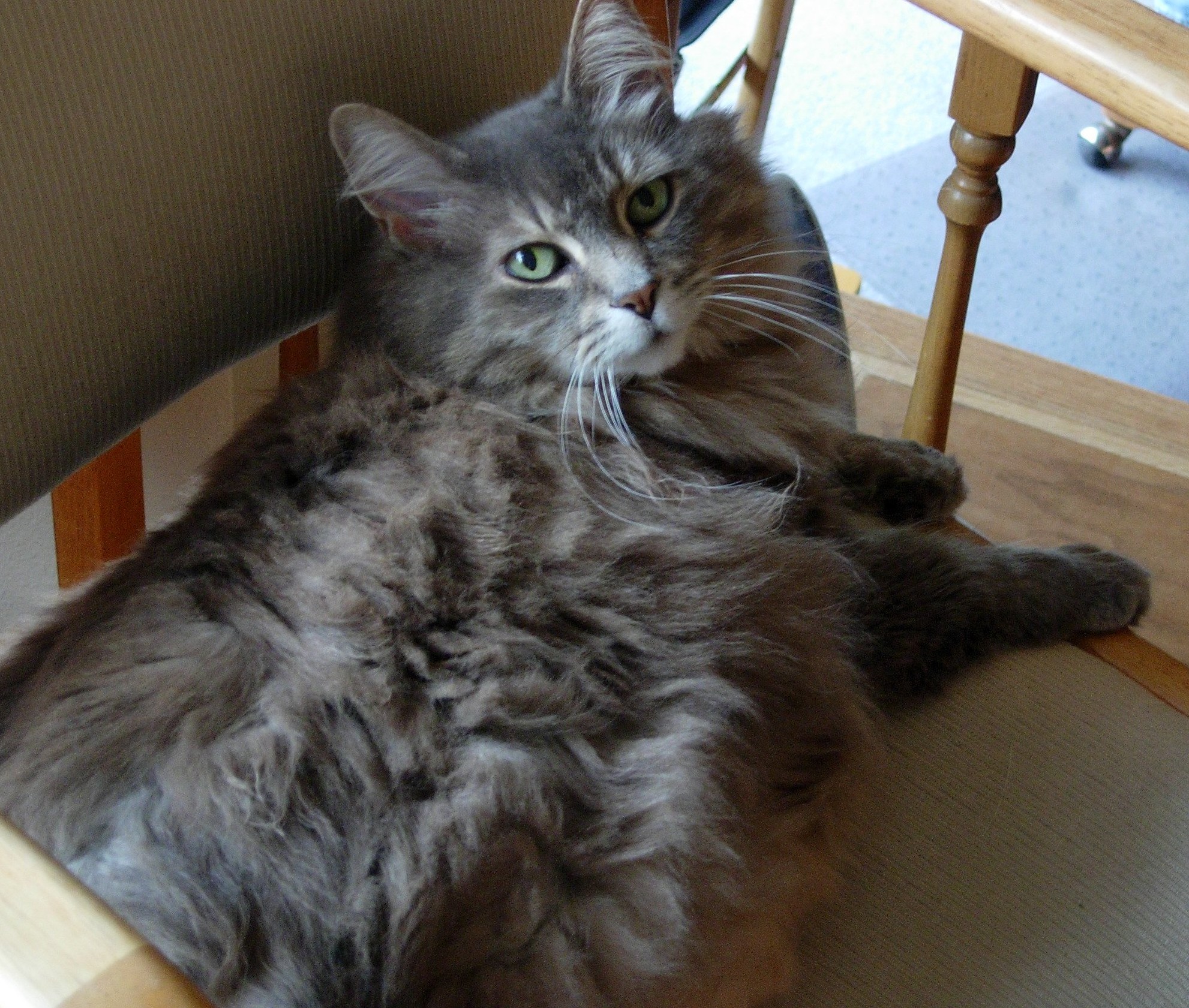
Little FriedaHave you ever been adopted by a stray cat? It prowls the porch for a few weeks; then you put out some water and maybe a smidge of tuna, and before you know it, you’re hand-feeding him Chicken Marengo from the dinner table and making him a bed on the best chair in the bedroom.

That’s how kindness sneaks up on you. You start small and pretty soon it’s an habitual practice and it’s made a home in your life.

I’m a big believer in incremental change. Maybe that’s because attempts to make lofty changes all at once have never worked for me. Whether it’s exercise, writing, or keeping my office clean, an attempt to go from zero to sixty in one big leap always resulted in failure.

After years of thwarted good intentions, I finally realized that if I start small—exercise for 15 minutes, write for one half-hour, clean one shelf of my bookcase—the resulting good feelings reinforce the action and I want to do more. And pretty soon a new habit is ingrained.

Kindness works the same way. One can’t go from being oblivious and self-absorbed to being Mother Teresa’s more compassionate sister by simply saying, “From now on, I’m going to be a kind person.” As author R.J. Palacio recently stated, “If kindness were easy, after all, everyone would do it.” We have years of inattention and self-centeredness to overcome, not to mention the attendant fears of having our kindness rejected or “doing it wrong.” But we can go out of our way to perform one small kindness each day, and perhaps after a couple of weeks, perform two, or engage in a large act of kindness. As we see how good it feels, we want to do more, and pretty soon we’re approaching every encounter with the hope that there will be an opportunity to extend ourselves.

I don’t really think there’s such a thing as a small kindness. A warm smile, a kind word, a door held or a package carried—they all influence the receiver to pass it on or “pay it forward.” We have no way of knowing how far one kind action can reverberate.

On the other side of the spectrum, we can stop the reverberation of unkindness by absorbing an insult without retaliating, or hearing harsh words and not hurling them back. These small—but difficult—acts will help to slow the epidemic of unkindness. That’s hard to do, especially when we are just itching to voice the clever retort that will put that person in his or her place. It helps to approach such encounters with the spirit of inquiry we talked about a few weeks ago, to ask what might be motivating this person to act as he does, and what burden he might be carrying that has shortened his temper and brought out the Darth Vader in him. We don’t even have to understand—it’s enough to recognize that there might be more going on than we can see, and to give the benefit of the doubt.

Kindness—like playing the piano or becoming proficient at golf—requires practice. One way to instill the practice that will lead to proficiency is to set an intention of being five percent kinder—to ourselves and to others. Just five percent—or maybe two percent, or ten. Not a lot, but just enough to notice the difference it makes. Let that small incremental change take root and flower. After a while, and with steady practice, kindness becomes both intentional and instinctive—and that’s when magic happens.

Think about it for a moment. What would you do differently if you were just five percent kinder? To yourself? To others? To the planet?

Simone Weil, the French philosopher, wisely said, “Even if our efforts of attention seem for years to be producing no result, one day a light that is in exact proportion to them will flood the soul.”

Like the stray cat who comes to stay, let kindness creep in. Feed it and make a bed for it. Before you know it, the light will flood your soul….

“When we do what we love, again and again, our life comes to hold the fragrance of that thing.” (Wayne Muller)