“My religion is very simple. My religion is kindness.” ~Dalai Lama
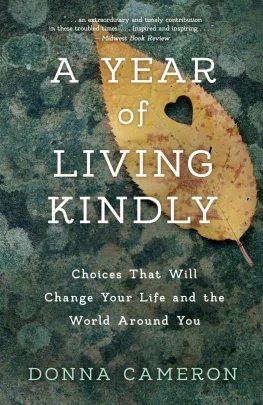 Please indulge me while I gape at the mind-boggling fact that my book turns five today. Born out of this blog, it continues to find new readers and, I hope, inspire kindness.
Many of you have been part of this community since the YOLK blog started in 2015. Your interaction and encouragement spurred me to attempt to turn my ideas into a book. I am so grateful.
No one is more surprised than I by its success. Like the little engine that could, it continues to chug along. It is now in its 9th printing, with three foreign language editions out (take a gander at the covers below!) and two more currently in production. It’s been honored with more than a dozen literary awards.
Most important, it’s touching lives. I often hear from readers who tell me YOLK inspired them to extend a kindness or withhold a snarky comment, or that they more readily recognize the kindnesses all around them. I can think of nothing more satisfying.
I wish I could claim that nine years of studying, writing, and speaking about kindness have made me a paragon of compassion, patience, and understanding. But no, I’m still learning. There are still times when I’m bitchy, cranky, and oblivious, but those occurrences are less frequent. I think I am kinder, and I am so much more aware of kindness all around me. I’ve seen also that there is a direct connection between kindness and happiness. Continue reading
 This time of year makes me contemplative, and perhaps this year more so than ever: summer giving way to fall, another year speeding toward its conclusion, a pandemic that continually asserts its presence, and a sense that so many big things hang in the balance—democracy, planetary survival, even civility. While these are all issues I can take action on, I must also acknowledge that my individual efforts likely have little effect on the outcome. It doesn’t help that as I write this, the air in Seattle is heavy with smoke from wildfires in the central and eastern parts of our state, and from fires ravaging our northern neighbor, British Columbia.
 In recent weeks, we’ve reviewed the many benefits of kindness: health, relationships, life satisfaction, professional and business success, to name just a few. And we’ve talked about factors that can get in the way of our best kind intentions, including fear, time, apathy, obliviousness, and keeping score.
 When I started this blog in January of 2015, it was going to be a one-year deep-dive into kindness. It has resulted in eight years of diligent and then sporadic blogging, mostly about kindness, but sometimes other topics that caught my fancy (jazz, baseball, cats, books, nature, politics….). It also resulted in my 2018 book,
  Why do we tolerate bullies and bullying? The moment we see one person abusing or belittling another we should be stepping in. Are we just so accustomed to the bullying behaviors of a former president and his cult following that we shrug our shoulders and say, “what are you gonna do?”?
 A Year of Living Kindly